

In recent years, the realm of Forex trading has undergone a substantial transformation, primarily driven by technological advancements. As a central figure in this transformation, algorithmic trading has reshaped how traders interact with the currency markets. By employing complex algorithms and sophisticated programming, traders can automate their trading strategies, optimize performance, and enhance efficiency while minimizing emotional bias. This article delves into the nuances of algorithmic trading in Forex, addressing its benefits, implications, and future trajectory. For more insights and resources, check out forex algorithmic trading Trading Asia.
Algorithmic trading, often referred to as automated trading, involves the use of computer programs to execute trade orders based on predetermined criteria. Forex markets present a unique environment that benefits from this technology due to their high liquidity, around-the-clock trading availability, and comparatively lower transaction costs. This approach enables traders to capitalize on tiny fluctuations in currency exchange rates, which can culminate in significant profits, especially when leveraged effectively.
One of the major advantages of algorithmic trading is speed. Algorithms can analyze vast amounts of data and execute trades in fractions of a second, a feat impossible for human traders. This speed allows traders to respond to market changes promptly, capturing opportunities as they arise. Furthermore, algorithmic trading reduces the likelihood of human error and emotional decision-making, both of which can adversely impact trading outcomes.
Another compelling benefit is the ability to backtest trading strategies. Traders can leverage historical data to simulate how their algorithms would have performed under various market conditions. This capability helps identify potential pitfalls and refine strategies before risking real capital. With rigorous testing, traders can establish a comprehensive understanding of their algorithm’s strengths and weaknesses, enhancing their probability of success in live trading scenarios.
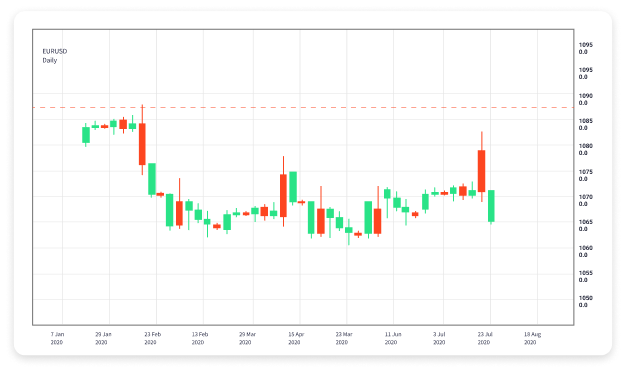
Various strategies can be implemented within algorithmic trading. These range from simple techniques, such as moving average crossovers, to complex strategies like statistical arbitrage and market making. Each strategy can be tailored according to the trader’s risk tolerance, market conditions, and investment goals. For instance, a momentum-based strategy may capitalize on existing trends, while a mean-reversion strategy would take advantage of price anomalies and short-term fluctuations.
Furthermore, algorithmic trading has opened doors for various types of traders, from large institutional investors to retail traders. Accessibility has increased due to platforms that offer user-friendly interfaces and robust features, enabling individuals to create and deploy their trading algorithms with minimal coding knowledge. This democratization of trading has encouraged broader participation in the Forex markets and has fostered a diverse trading community.
However, despite the numerous advantages, algorithmic trading also presents challenges and risks. For one, market changes can lead to algorithms underperforming or malfunctioning, resulting in significant losses. Moreover, relying solely on automated trading systems can lead to complacency, as traders might neglect fundamental analysis and other market factors essential for informed decision-making.
Additionally, the rapid rise of automated trading has heightened competition in the Forex markets. This surge in algorithmic trading can lead to increased volatility and erratic price movements, particularly during significant economic events. Traders must remain vigilant, recognizing that the market dynamics may alter as institutional players adopt advanced trading technologies and deploy more sophisticated algorithms.
Regulatory considerations also come into play with the rise of algorithmic trading. As markets evolve, regulatory bodies have begun to scrutinize automated trading practices to ensure market fairness and integrity. Traders must remain informed of current regulations to avoid potential repercussions while integrating algorithmic trading methods into their strategies. This proactive approach ensures compliance and helps mitigate risks associated with market manipulation or other unethical practices.
Looking ahead, the future of algorithmic trading in Forex appears promising yet complex. With advancements in artificial intelligence and machine learning, traders can expect even greater opportunities for optimization and strategy development. These technologies allow algorithms to learn and adapt continuously based on real-time market conditions, providing a more robust trading framework.
Furthermore, the integration of blockchain technology and decentralized finance (DeFi) may revolutionize how algorithmic trading is conducted in Forex markets. As transparency and security improve, traders may experience enhanced trust in the trading environment, potentially boosting confidence and participation.
In conclusion, while algorithmic trading in Forex offers numerous advantages, the path is not without challenges. Traders must remain informed, adaptive, and proactive in their approach to this rapidly evolving domain. By leveraging technology responsibly and continuously refining their strategies, traders can harness the full potential of algorithmic trading, maximizing their opportunities for success in the dynamic Forex markets.