

The Essential Guide for Forex Trading Software Developers
In the fast-paced world of finance, Forex trading stands out as one of the most vibrant markets, attracting millions of traders globally. For software developers looking to carve out a niche in this field, the opportunities are vast. However, understanding the requirements and nuances of Forex trading software development is crucial. It’s not just about programming; it involves grasping market trends, trading strategies, and the intricacies of financial instruments. In this guide, we will explore the essential components that every Forex trading software developer should consider. To delve deeper into the trading world, check out forex trading software developer Trading Vietnam, a great resource for traders and developers alike.
Understanding Forex Trading
The Forex market, or foreign exchange market, is the largest and most liquid financial market in the world. With daily trading volumes exceeding $6 trillion, it operates 24 hours a day, five days a week. The market involves the buying and selling of currencies, which ultimately influences global trade and economics. As a software developer, it is essential to have a foundational understanding of Forex trading, including how trading pairs work, the concepts of pips and lots, and market analysis techniques such as technical and fundamental analysis.
Key Components of Forex Trading Software
Developing Forex trading software involves several key components, each of which contributes to the overall functionality and effectiveness of the application. Here are some fundamental elements to consider:
1. User Interface (UI)
The UI is the first point of interaction for users with your software. It should be intuitive and responsive, allowing traders to execute transactions seamlessly. A well-designed UI can make the difference between a user-friendly experience and one that leads to frustration.
2. Data Feed Integration
Forex trading relies on accurate and timely data. Integrating reliable data feeds from brokers or exchanges is essential. This data should include real-time prices, historical data, and news feeds to inform trading decisions.
3. Trading Algorithms and Strategies
Many traders rely on automated trading strategies. As a developer, you need to understand how to implement these strategies into your software. Common strategies include scalping, day trading, and swing trading, each requiring different algorithmic approaches.
4. Risk Management Tools
Risk management is crucial in Forex trading. Incorporating features such as stop-loss and take-profit orders, position sizing calculators, and risk-reward ratios can help traders manage their portfolios effectively.

5. Backtesting Capabilities
Developers should include backtesting functionalities enabling traders to test their strategies against historical data. This feature allows users to refine their approaches without any financial risk.
6. Multi-Platform Compatibility
Traders often use various devices to access the Forex market. Ensuring that your software is compatible across multiple platforms—desktop, web, and mobile—can significantly enhance user accessibility and satisfaction.
Programming Languages and Tools
Selecting the right programming languages and tools is paramount for efficient software development. Common languages used in Forex software development include:
1. MQL (MetaQuotes Language)
This is a specialized programming language designed for developing trading strategies on the MetaTrader platform. It allows developers to create custom indicators, scripts, and Expert Advisors.
2. JavaScript
Widely used for developing web applications, JavaScript is essential for creating interactive features in web-based trading platforms.
3. Python
Known for its simplicity and readability, Python is gaining popularity for developing trading algorithms and performing data analysis due to its robust libraries like Pandas and NumPy.
4. C#
Often used in conjunction with .NET framework, C# is a powerful language for developing Windows-based trading applications and is particularly useful for building back-end systems.
Challenges in Forex Trading Software Development
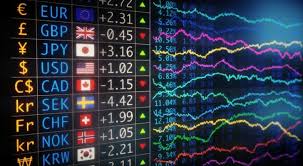
Like any software development project, creating Forex trading applications comes with unique challenges. Here are some common hurdles developers face:
1. Market Volatility
Forex markets can be extremely volatile, which can impact the performance of trading software. Developers must ensure their systems can handle high-frequency trading and large data sets without crashing.
2. Security Risks
Financial software is often targeted by cybercriminals. As a developer, implementing robust security measures, such as encryption and secure APIs, is critical to protect user data and assets.
3. Regulatory Compliance
Forex trading is subject to various regulations, which can vary by region. Developers must keep abreast of these regulations to ensure their software complies with financial authorities.
4. Keeping Up with Technology
The tech landscape is constantly evolving. Developers need to stay updated with the latest programming methodologies, tools, and market trends to remain competitive.
The Future of Forex Trading Software Development
As technology progresses, the future of Forex trading software development looks promising. Innovations like artificial intelligence, machine learning, and blockchain technology are expected to play significant roles in shaping how traders interact with the market. For instance, AI can analyze patterns in trading data to assist traders in making informed decisions, while blockchain can ensure transparency and security in transactions.
Additionally, the rise of mobile trading and the increasing demand for algorithmic trading platforms will further enhance the need for skilled Forex software developers. As the landscape evolves, continuous learning and adaptation will be crucial for developers aiming for long-term success in this field.
Conclusion
Forex trading software development is an exciting and challenging field that combines finance and technology. As a developer, it is essential to have a solid understanding of both the technical and market aspects to create effective tools for traders. By focusing on user experience, reliable data integration, and robust security standards, developers can build powerful trading solutions that cater to the needs of Forex traders. The journey may be complex, but the potential for innovation and growth in this sector is significant. Embrace the challenges, learn continuously, and position yourself as a leader in the Forex trading software development industry.