

Revolutionizing Forex: The Rise of Robot Trading
In the fast-paced world of Forex trading, technology continually reshapes the landscape. robot trading forex FX Trading Broker stands at the forefront of this transformation, enabling traders to automate their strategies and streamline their trading processes. Robot trading, or algorithmic trading, is quickly becoming a vital tool for both novice and experienced traders. In this article, we will explore the fundamentals of robot trading in Forex, its advantages, potential limitations, and guidance on how to select the right trading robot for your strategy.
Understanding Robot Trading in Forex
Robot trading in Forex refers to the use of automated systems or software programs that execute trades on behalf of the trader. These programs analyze market data, execute trades, and manage positions based on predefined criteria and trading strategies. The widespread adoption of robotic trading has been facilitated by advancements in technology, such as artificial intelligence and machine learning, which have improved the accuracy and efficiency of trading algorithms.
How Do Trading Robots Work?
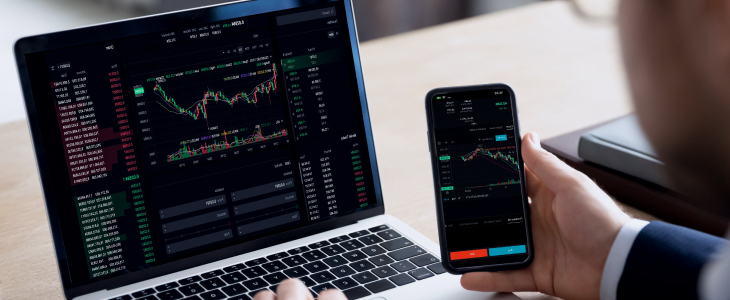
Trading robots function based on algorithms that analyze various market factors, including price movements, liquidity, and volume. They operate 24/5, allowing traders to take advantage of opportunities in real-time without constantly monitoring the markets. Here’s a basic overview of how these systems work:
- Data Collection: Trading robots collect and process vast amounts of market data, including historical price movements and economic indicators.
- Strategy Implementation: Based on the trading strategy defined by the trader, robots assess market conditions and make buying or selling decisions.
- Risk Management: Most robots include built-in risk management features, such as stop-loss orders and take-profit limits, to minimize potential losses.
- Trade Execution: Once parameters are met, robots execute trades automatically without human intervention.
The Advantages of Using Robot Trading
There are numerous benefits to incorporating robot trading into your Forex strategy:
- Emotion-free Trading: Robots operate based on logic and pre-set rules, eliminating emotional decision-making that can lead to costly mistakes.
- Increased Efficiency: Trading robots can analyze and react to market data much faster than a human trader, ensuring that trades are executed at optimal prices.
- Time-saving: Automated trading allows traders to engage in the Forex market without having to monitor charts and news constantly.
- 24/5 Trading: Robots can operate around the clock, taking advantage of trading opportunities across different time zones.
- Backtesting Capability: Traders can backtest their strategies using historical data before deploying them in live conditions, allowing for modifications and improvements.
Potential Limitations of Robot Trading
Despite the advantages, robot trading also has its limitations that traders should be aware of:
- Market Volatility: Rapid price changes or unforeseen economic events can create conditions that make it difficult for robots to function effectively.
- Dependence on Technology: Technical issues such as software bugs, interruptions in internet service, or hardware malfunctions can adversely affect trading performance.
- Over-optimization: Some traders may over-optimize their algorithms based on historical data, leading to assumptions that may not hold true in live markets.
- Limited Creativity: Robots follow strict rules and may not adapt well to anomalous market conditions that require innovative approaches.
How to Choose the Right Robot Trading Software
Selecting the right robot trading software requires careful consideration. Here are some factors to keep in mind:
- Performance Metrics: Look for robots with a proven track record of consistent performance through documented results and verified metrics.
- Customization: Choose a robot that allows you to tailor strategies according to your specific risk tolerance and trading goals.
- User-Friendly Interface: Opt for software that presents clear functionalities and is easy to navigate, especially for beginners.
- Customer Support: Ensure that the provider offers reliable customer support and resources to help you troubleshoot issues and understand the software better.
- Risk Management Features: Look for built-in risk management tools that help safeguard your capital from unforeseen market shifts.
Popular Robot Trading Strategies
Traders can employ various robot trading strategies based on their goals and market conditions. Here are some popular ones:
- Trend Following: These robots identify and follow prevailing market trends, executing trades in the direction of the trend.
- Scalping: Scalping robots aim to make small profits from numerous trades throughout the day, taking advantage of minor price changes.
- Arbitrage: Arbitrage robots exploit price discrepancies between different markets or brokers to generate risk-free profits.
- Market Making: These robots provide liquidity to the market by placing buy and sell orders, profiting from the spread.
Conclusion
Robot trading in Forex presents exciting opportunities for traders looking to enhance their trading strategies and performance. While it offers considerable advantages such as efficiency, emotion-free trading, and backtesting capabilities, it is crucial to understand its limitations and the markets’ dynamic nature. By choosing the right trading robot and implementing effective strategies, traders can navigate the Forex market more confidently. As technology continues to evolve, the future of robot trading promises to be innovative, expanding the horizons of traditional trading methods.